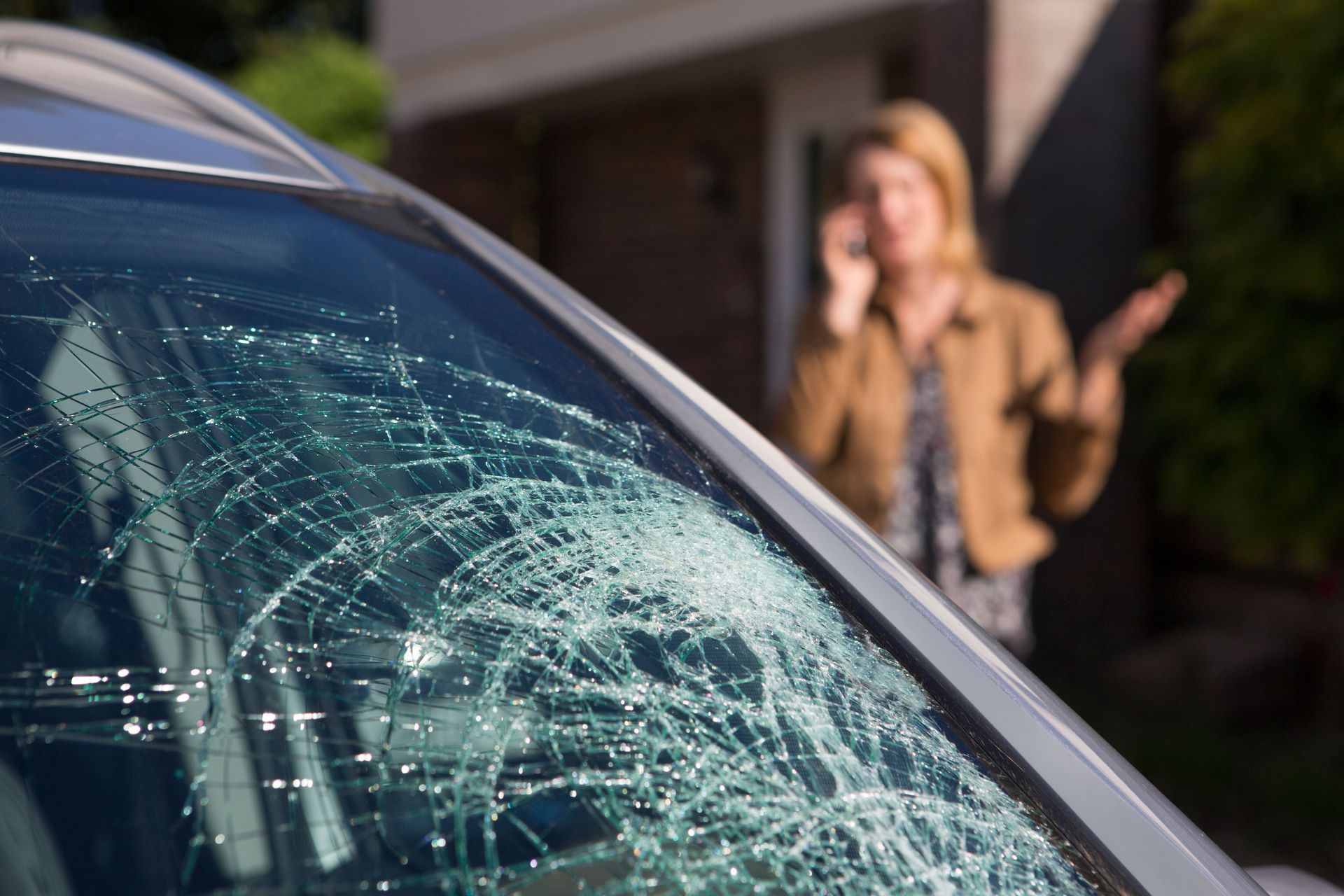
Navigating windshield damage presents unexpected hurdles for vehicle owners. Cracks appear out of nowhere, compromising clear vision and structure. Arranging repairs can seem intimidating when drivers lack familiarity with modern vehicle restoration processes. Understanding these procedures turns an unsettling experience into a predictable event. Modern vehicles demand specialized care due to complex engineering standards, so knowing the journey ahead provides immense comfort. From initial assessment through final curing, every stage protects drivers and passengers alike. Exploring each phase ensures total preparation when scheduling an auto glass service.
Modern vehicles rely heavily on structural integrity, making timely restoration essential for everyday driving safety. When physical damage compromises clarity, driver safety becomes a primary concern. Professional technicians evaluate structural damage before deciding on full replacements or minor resin repairs. Advanced materials ensure modern vehicles retain factory strength after service completion. Choosing qualified professionals guarantees peace of mind during everyday commutes and long highway trips. Understanding the standard procedure helps drivers make informed choices regarding overall vehicle care.
Expecting Initial Damage Assessment
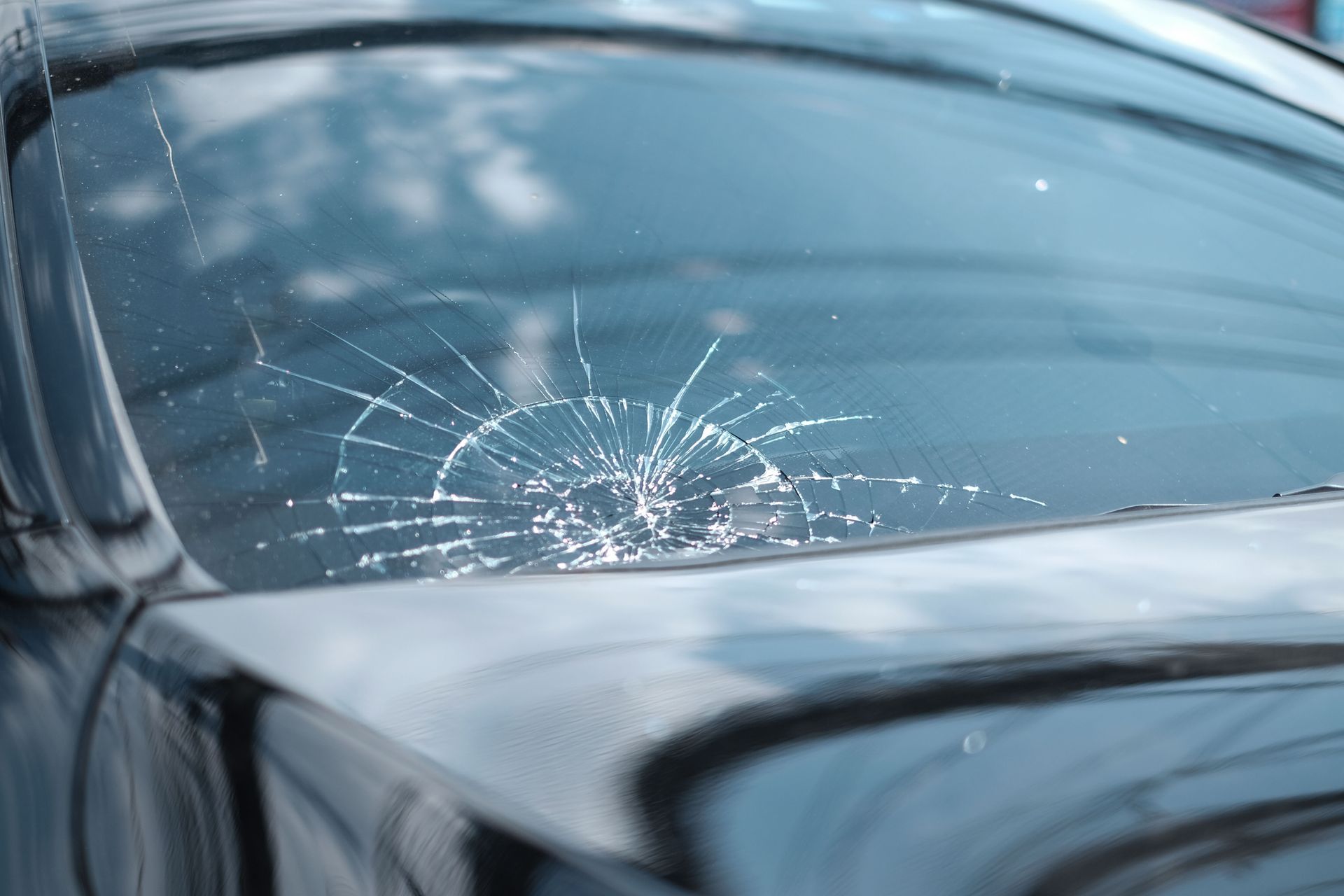
Technicians evaluate structural damage during the initial vehicle inspection process. Expert workers check chip size, crack depth, and overall impact severity across the entire pane. Small chips often receive quick resin fills, whereas deep fractures mandate full glass replacements. Mechanics thoroughly examine surrounding frames to detect hidden structural flaws or rust spots. This critical diagnostic step determines exact repair strategies and project scope.
Understanding repair boundaries prevents unnecessary component replacements whenever feasible. Professional evaluation ensures optimal safety without inflating expenses for vehicle owners. After completing the diagnosis, specialists clearly outline necessary restoration procedures in plain language. Drivers receive detailed explanations covering required materials and labor requirements. Establishing clear communication early prevents unexpected surprises later in the process.
Understanding Complete Glass Removal
Workers carefully strip damaged panes without scratching painted body frames or interior trim. Specialists utilize specific tools to slice through old, hardened polyurethane sealants safely. Frame protection stays critical throughout removal to avoid body corrosion later in vehicle life. Technicians collect lingering glass shards from dashboard vents, seating areas, and floor mats. This careful cleanup preserves interior cabin surfaces while maintaining a safe environment for passengers.
Removing old components requires patience, precision, and specialized professional training. Residual adhesives must be scraped down to precise structural tolerances along body pinch welds. Clean frame surfaces guarantee new adhesive bonds securely to metal bodies without air gaps. Skilled specialists work methodically to protect sensitive electronic wiring hidden within dashboard assemblies. Proper removal technique lays a solid foundation for long-term windshield stability and structural performance.
Pinch weld protection remains a high priority during glass extraction procedures. Metal tools can easily scratch frame paint, exposing bare metal to moisture and oxidation. Technicians apply anti-corrosion touch-up paint immediately if scratches occur during removal. Preventing rust beneath windshield seals preserves long-term structural integrity and prevents expensive frame repairs. Diligent technicians take every precaution to safeguard vehicle body panels throughout extraction.
Preparing Vehicle Frame Surfaces
Specialists sanitize metal frame channels using dedicated chemical cleaning solutions. Removing oil, dust, and residual debris ensures proper chemical bonding later in the process. Technicians apply specialized primers to protect exposed metal against future rust formation. These essential primer layers also accelerate adhesive bonding across structural frame channels. Skimping on surface preparation risks future water leaks and dangerous structural failure during impacts.
Proper surface preparation guarantees new components remain securely attached during unexpected collisions. Primer applications must cure fully before workers spread fresh polyurethane sealant across frame channels. Technicians carefully monitor ambient temperature and humidity levels during this sensitive phase. Environmental conditions directly influence chemical bonding speed and long-term joint durability.
Substrate chemical preparation creates an ideal foundation for high-strength polyurethane adhesives. Chemical primers activate surface molecules, ensuring maximum adhesion between glass, sealant, and metal frames. Skipping chemical activation leads to premature adhesive detachment under severe operational stress. Technicians allow precise flashing time for primers before moving forward with sealant applications.
Installing Advanced Replacement Glass
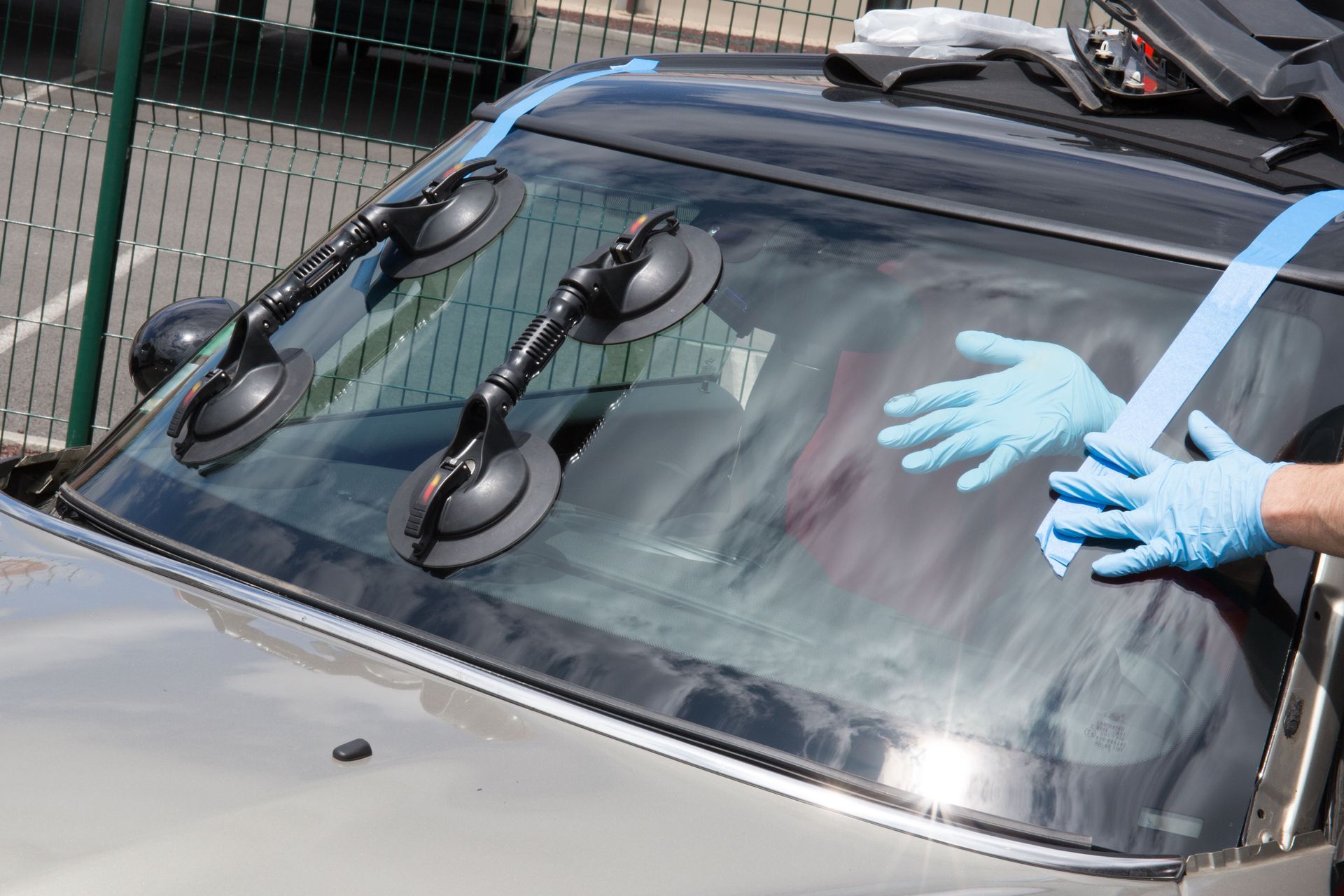
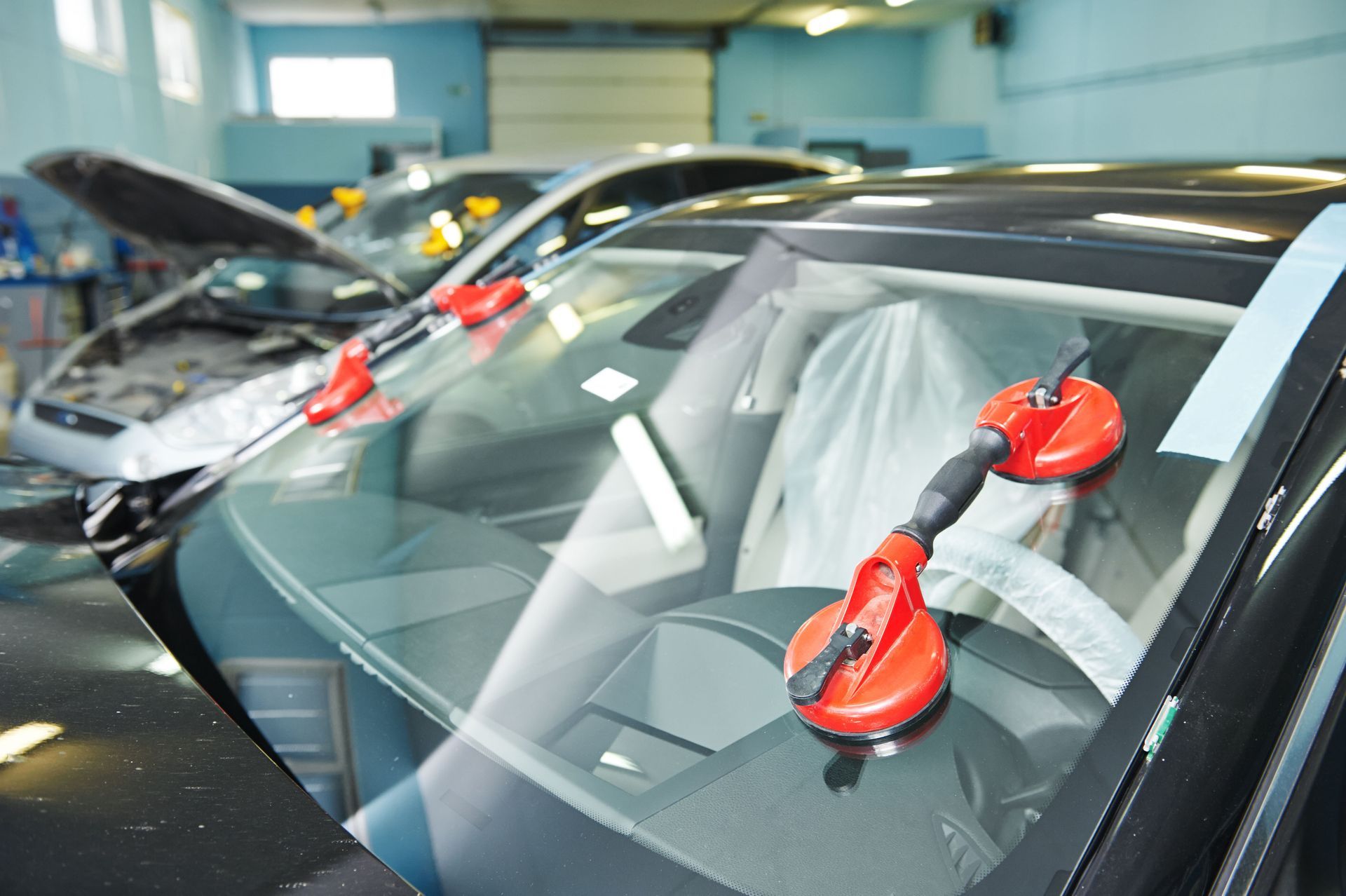
Technicians apply fresh, heavy-duty polyurethane adhesive smoothly along cleaned frame perimeters. Precision machinery or multi-person teams lower fresh panes gently into place without shifting adhesive beads. Correct alignment prevents modern air leaks, unwanted wind noise, and water intrusion into passenger cabins. Specialists press panes firmly to establish uniform adhesive contact around all outer perimeters. Suction handles help workers place massive components with extreme surgical accuracy.
Correct alignment keeps modern vehicle cabins quiet during high-speed highway travel. Misaligned components create irritating wind whistle and permit rainwater penetration during heavy storms. Expert technicians double-check gaps along body pillars before sealant begins hardening completely. Proper placement ensures original aesthetic lines remain perfectly preserved across external vehicle surfaces.
Applying polyurethane adhesive requires steady hands and consistent dispensing pressure. Bead height and width must conform strictly to original equipment manufacturer specifications. Too little adhesive risks water leakage, while excess sealant squeezes into visible interior cabin spaces. Technicians maintain uniform speed when negotiating tricky frame corners and upper rooflines.
Calibrating Integrated Safety Systems
Modern vehicles incorporate advanced safety features within windshield glass assemblies. According to Repairer Driven News, 89% of model year (MY) 2023 and newer vehicles will require Auto Glass Advanced Driver Assistance System calibrations following windshield replacements. Technicians align specialized camera sensors mounted behind fresh glass using precision targets and electronic tools. Dynamic or static calibration methods restore lane guidance, adaptive cruise control, and automatic braking capabilities.
Skipping sensor calibration compromises vital safety equipment designed to protect vehicle occupants during travel. Modern driver assistance features rely on pinpoint accuracy to detect potential road hazards. Certified technicians use specialized electronic equipment to re-establish factory sensor settings completely. Testing confirms camera lenses view road lanes clearly without physical distortion or electronic calibration errors.
Failing to calibrate forward-facing cameras creates severe hazards on modern roadways. Misaligned sensors miscalculate distance intervals, causing sudden unwanted braking or delayed collision warnings. Professional shops invest heavily in advanced diagnostic hardware to support growing vehicle tech demands. Drivers should insist on full calibration certification after every replacement service.
Respecting Necessary Adhesive Curing
Vehicles must remain parked while adhesive materials harden to safe operational strength. Drive-away times vary depending on ambient humidity, air temperature, and specific chemical formulas used. Moving vehicles prematurely risks shifting newly installed glass out of alignment due to road vibration.
Disturbing fresh sealant compromises safety bonds and risks expensive cabin water leaks down the road. Technicians clearly communicate safe drive-away times before handing back vehicle keys to owners. Following simple post-installation instructions preserves repair quality for years of regular driving. Avoiding high-pressure car washes for several days protects delicate curing seals against water intrusion. Choosing an experienced auto glass service guarantees professional execution across every critical step of the process.
Leaving retention tape intact for recommended durations prevents initial glass slippage during early curing hours. Drivers should avoid closing vehicle doors forcefully, as air pressure spikes can dislodge curing seals. Keeping cabin windows rolled down slightly relieves internal pressure during initial post-service transit.
Restoring vehicle visibility requires precision, patience, and professional expertise at every stage. Knowing what happens during each phase removes stress and builds driver confidence throughout service appointments. Modern safety technologies demand exact calibration alongside traditional mechanical installation skills. For reliable repairs, exceptional craftsmanship, and total peace of mind, trust your vehicle to Platinum Auto Glass.